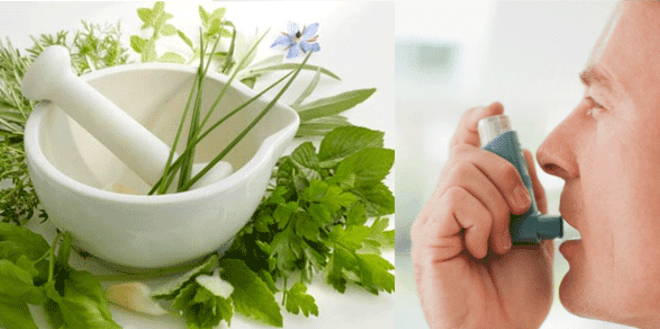


Natural Ayurvedic Treatment for Asthma – Breathe Better
Asthma, a chronic respiratory condition, can significantly impact one’s quality of life. Conventional treatments often rely on medication, but many individuals are increasingly seeking natural alternatives to manage their symptoms. Ayurveda, the ancient Indian system of holistic medicine, offers a unique approach to addressing the root causes of asthma and providing long-term relief. In this article, we’ll explore the principles of Ayurvedic treatment for asthma, delving into the various natural remedies, lifestyle modifications, and breathing techniques that can help you breathe easier and reclaim your respiratory health. By understanding the Ayurvedic perspective on asthma and embracing its holistic approach, you can discover a path to better breathing and overall well-being.
Key Takeaways
- Ayurvedic medicine offers a natural and holistic approach to managing asthma symptoms.
- Ayurvedic remedies, such as herbal medicines and essential oils, can provide relief and support lung health.
- Lifestyle changes, including dietary modifications and the practice of yoga and meditation, can play a crucial role in asthma management.
- Ayurvedic breathing techniques, like pranayama, can help improve respiratory function and reduce asthma attacks.
- Seeking guidance from a qualified Ayurvedic practitioner can help you develop a personalized treatment plan for your unique asthma condition.
Understanding Asthma: Symptoms and Causes
Asthma is a chronic respiratory condition that affects millions of people worldwide. It is characterized by inflammation and narrowing of the airways, leading to difficulties in breathing. Ayurveda, the ancient Indian system of medicine, offers a unique perspective on understanding and managing asthma.
What Is Asthma?
Asthma is a complex condition that arises when the airways become hypersensitive, causing them to swell, constrict, and produce excess mucus. This can lead to symptoms like wheezing, coughing, chest tightness, and shortness of breath. Ayurveda views asthma as an imbalance in the dosha (governing principles) of the body, specifically the kapha (water and earth) and vata (air and space) doshas.
Common Symptoms of Asthma
- Wheezing
- Coughing, especially at night or during exercise
- Chest tightness or pain
- Shortness of breath
- Difficulty breathing
Triggers and Causes of Asthma
Asthma can be triggered by a variety of environmental and lifestyle factors, including:
- Allergens: Pollen, dust mites, mold, pet dander
- Irritants: Smoke, air pollution, strong odors, chemicals
- Physical factors: Exercise, cold air, stress, emotional distress
- Infections: Colds, flu, sinus infections
Ayurvedic medicine recognizes that the root causes of asthma can vary from individual to individual, and a personalized approach is essential for effective management.
Asthma Symptom |
Description |
Ayurvedic Perspective |
| Wheezing | A high-pitched whistling sound during breathing | Indicates an imbalance in the kapha dosha, leading to excess mucus production and airway constriction |
| Coughing | Persistent, dry cough, often worse at night or during exercise | Reflects an imbalance in the vata dosha, causing irritation and inflammation in the airways |
| Chest Tightness | Feelings of heaviness, pressure, or discomfort in the chest | Suggests an imbalance in the kapha dosha, leading to constriction and impaired air flow |
By understanding the underlying causes and symptoms of asthma from an Ayurvedic perspective, individuals can explore a more holistic approach to managing this chronic condition.
The Principles of Ayurveda in Treating Asthma
Ayurveda, the ancient Indian system of holistic medicine, offers a unique perspective on the management of asthma. At the heart of Ayurvedic principles lies the concept of doshas, which are the three fundamental energies that govern our physical, mental, and emotional well-being.
Doshas and Their Roles
In Ayurvedic thought, each individual has a unique balance of the three doshas: vata, pitta, and kapha. When this balance is disrupted, it can lead to various health issues, including asthma. Understanding the role of each dosha in respiratory function is crucial for effective
ayurvedic asthma management.
- Vata dosha: Responsible for movement and air circulation, an imbalance in vata can contribute to respiratory constriction and inflammation associated with asthma.
- Pitta dosha: Linked to digestion and metabolism, an excess of pitta can trigger heat-related asthma symptoms and respiratory irritation.
- Kapha dosha: Governing structure and lubrication, an imbalance in kapha can lead to excess mucus production and congestion, exacerbating asthma symptoms.
Holistic Approach to Respiratory Health
The holistic asthma care approach of Ayurveda emphasizes addressing the root causes of asthma, rather than solely treating the symptoms. Ayurvedic practitioners work to restore the balance of the doshas through a combination of dietary modifications, herbal remedies, and lifestyle adjustments tailored to the individual’s unique constitution. “Ayurveda views asthma as a complex condition that requires a comprehensive, individualized approach to address the underlying imbalances in the body.” By considering the interplay of physical, mental, and emotional factors, Ayurvedic treatment aims to provide long-term relief and improved respiratory function for those with asthma.
Herbal Remedies for Asthma Relief
In the realm of Ayurvedic medicine, several herbs have gained recognition for their potential in managing asthma symptoms. These natural remedies offer a complementary approach to traditional asthma treatments, providing a holistic way to breathe easier and improve respiratory health.
Popular Ayurvedic Herbs for Asthma
Ayurvedic practitioners often recommend the following herbs for their beneficial effects on asthma:
- Licorice root (Glycyrrhiza glabra) – Known for its anti-inflammatory and bronchodilatory properties, licorice root can help reduce asthma attacks and alleviate breathing difficulties.
- Ginger (Zingiber officinale) – This versatile root possesses powerful antioxidant and anti-inflammatory qualities, making it a valuable addition to an Ayurvedic asthma treatment plan.
- Turmeric (Curcuma longa) – The active compound, curcumin, in turmeric has been shown to reduce airway inflammation and improve lung function in asthmatic individuals.
- Vasaka (Adhatoda vasica) – Also known as the ‘Indian Hawthorn,’ Vasaka has expectorant and bronchodilatory properties that can help clear the airways and facilitate easier breathing.
How to Use These Herbs Safely
When incorporating herbal remedies for asthma into your routine, it’s important to consult with an Ayurvedic practitioner. They can provide guidance on the appropriate dosage, preparation methods, and individual considerations based on your unique constitution and health needs. Proper usage of these ayurvedic asthma supplements is crucial to ensure maximum effectiveness and safety.
Herb |
Recommended Usage |
Precautions |
| Licorice Root | Decoction or tincture, 1-2 times daily | May interact with certain medications, not recommended for those with high blood pressure |
| Ginger | Fresh or powdered form, added to meals or teas, 1-2 times daily | Generally safe, but may interact with blood thinners or diabetes medications |
| Turmeric | Powder or capsules, 1-2 times daily | Safe for most people, but may interact with certain medications or cause digestive discomfort in high doses |
| Vasaka | Decoction or tincture, 1-2 times daily | Consult with an Ayurvedic practitioner, as interactions and side effects are not well documented |
Remember, while these Ayurvedic herbs show promise in managing asthma, it’s crucial to work closely with a qualified healthcare provider to ensure a safe and effective treatment plan tailored to your individual needs.
Lifestyle Changes to Support Asthma Management
Achieving optimal asthma control goes beyond relying solely on medication. In Ayurvedic philosophy, a holistic approach that addresses lifestyle factors plays a crucial role in managing this chronic respiratory condition. By making strategic changes to your daily habits, you can significantly improve your overall respiratory health and reduce the frequency and severity of asthma symptoms.
Importance of Diet in Asthma Control
Ayurveda emphasizes the profound influence of diet on an individual’s dosha, or constitution. In the case of asthma, certain foods can act as triggers, exacerbating inflammation and constricting the airways. To manage asthma through an ayurvedic lens, it’s essential to identify and avoid foods that aggravate your specific condition. This may involve limiting dairy products, citrus fruits, processed foods, and items high in preservatives or additives. On the other hand, incorporating nutrient-rich, anti-inflammatory foods can help soothe the respiratory system and bolster lung function. Ayurvedic asthma lifestyle recommendations often include incorporating more ginger, turmeric, honey, and omega-3-rich foods like walnuts and fatty fish into your diet.
Incorporating Yoga and Meditation
The practice of natural asthma relief extends beyond just dietary modifications. Ayurveda also emphasizes the profound benefits of mindfulness-based practices, such as yoga and meditation, in managing asthma. These techniques can help reduce stress, improve breathing patterns, and promote overall respiratory well-being.
- Specific yoga poses, like Bhastrika Pranayama (Bellows Breath) and Anuloma Viloma (Alternate Nostril Breathing), can help strengthen the respiratory muscles and improve lung capacity.
- Meditation practices, such as guided imagery and deep breathing exercises, can calm the mind, reduce inflammation, and alleviate asthma symptoms.
By incorporating these ayurvedic asthma lifestyle changes into your daily routine, you can take an active role in managing your asthma and experience natural asthma relief through a holistic approach.
Understanding Breathing Techniques
Breathing is a fundamental aspect of our well-being, and in Ayurvedic medicine, it plays a crucial role in managing asthma. By mastering certain breathing techniques, individuals with asthma can find natural relief and better control their symptoms.
Pranayama: The Benefit of Breath Control
Pranayama, the ancient art of breath control, is a central practice in Ayurvedic treatment for asthma. This breathing technique focuses on regulating the inhalation, exhalation, and retention of breath, which can have a profound impact on respiratory function. By engaging in Pranayama exercises, individuals with asthma can learn to better manage their condition and reduce the frequency and severity of asthma attacks.
Other Breathing Exercises for Asthma
In addition to Pranayama, Ayurvedic practitioners recommend several other breathing exercises that can provide natural asthma relief:
- Ujjayi Breathing – Also known as “ocean breath,” this technique involves a gentle constriction of the throat to create a soothing, ocean-like sound during inhalation and exhalation.
- Nadi Shodhana – This alternate nostril breathing exercise helps to balance the body’s energy channels and promote overall respiratory health.
- Bhastrika – Also called “bellows breath,” this powerful breathing technique involves rapid, forceful inhalations and exhalations to cleanse the lungs and improve lung capacity.
By incorporating these
ayurvedic breathing techniques
into their daily routine, individuals with asthma can experience improved breathing, better management of symptoms, and a greater sense of overall well-being.
The Role of Diet in Ayurvedic Treatment for Asthma
Ayurvedic medicine emphasizes the importance of a balanced diet in managing respiratory conditions like asthma. By understanding the principles of ayurvedic diet for asthma, individuals can take a holistic approach to holistic asthma care and improve their overall lung health.
Food Choices to Avoid Asthma Triggers
Certain foods can act as triggers for asthma symptoms. Ayurvedic practitioners recommend avoiding the following items:
- Dairy products, as they can increase mucus production
- Processed and fried foods, which can contribute to inflammation
- Citrus fruits, which may trigger allergic reactions in some individuals
- Refined carbohydrates, such as white bread and pastries, that can lead to blood sugar spikes
Nutrient-Rich Foods for Lung Health
Incorporating the right ayurvedic diet for asthma can help support respiratory function and reduce the severity of asthma symptoms. Ayurvedic practitioners suggest focusing on the following lung-friendly foods:
- Turmeric, a potent anti-inflammatory spice that can help reduce airway constriction
- Ginger, which has natural decongestant properties and can alleviate chest tightness
- Garlic, known for its antiviral and antibacterial properties that support lung health
- Leafy greens, such as spinach and kale, which are rich in antioxidants and essential vitamins
- Omega-3-rich foods like fatty fish, walnuts, and flaxseeds, which can help reduce inflammation
By incorporating these ayurvedic diet for asthma principles, individuals can take a proactive step towards managing their asthma symptoms and improving their overall respiratory health through holistic asthma care.
Ayurvedic Oil Treatments for Asthma
In the realm of traditional Indian medicine, Ayurvedic oil treatments have long been recognized for their efficacy in managing asthma symptoms. These natural remedies harness the power of carefully selected oils to provide relief and support respiratory health.
Types of Oils Used in Treatment
Ayurvedic practitioners often utilize a variety of oils in their asthma treatment protocols. Some of the most commonly used oils include:
- Sesame Oil – Known for its anti-inflammatory properties, sesame oil helps soothe the airways and reduce bronchial constriction.
- Eucalyptus Oil – This potent oil has expectorant and decongestant effects, making it useful in clearing the respiratory tract.
- Peppermint Oil – With its cooling and menthol-like qualities, peppermint oil can help ease breathing and alleviate chest tightness.
- Boswellia Oil – Derived from the Boswellia serrata tree, this oil possesses strong anti-asthmatic properties and can help regulate immune responses.
Application Methods and Techniques
Ayurvedic oil treatments for asthma can be applied in various ways to maximize their benefits. Some common techniques include:
- Massage – Gently massaging the chest, back, and neck with warm, diluted oils can help relax the muscles and improve breathing.
- Nasal Instillation – Applying a few drops of oil into the nostrils can help soothe the nasal passages and sinuses.
- Steam Inhalation – Adding a few drops of oil to a bowl of hot water and inhaling the aromatic steam can help clear the airways and provide relief.
- Oil Pulling – Swishing a small amount of oil in the mouth for several minutes can help detoxify the body and support respiratory health.
By incorporating these Ayurvedic oil treatments into their asthma management routine, individuals can experience a natural and holistic approach to asthma ayurvedic treatment and traditional indian asthma treatment.
Benefits of Ayurvedic Steam Therapy for Asthma
Ayurveda, the ancient Indian system of holistic healing, offers a unique approach to managing asthma through the power of steam therapy. This centuries-old practice not only provides natural asthma relief but also addresses the underlying imbalances that contribute to respiratory distress.
How Steam Therapy Works
Ayurvedic steam therapy, known as “Swedana,” utilizes the therapeutic properties of steam to cleanse and rejuvenate the respiratory system. The warm, moist air helps to loosen mucus, dilate the airways, and reduce inflammation – all of which can provide significant relief for those struggling with asthma symptoms. By targeting the root causes of asthma from an Ayurvedic perspective, steam therapy can offer long-term management of this chronic condition.
Safety Precautions to Consider
While Ayurvedic steam therapy can be highly beneficial for asthma, it’s essential to follow proper safety guidelines. Individuals with severe or uncontrolled asthma should always consult with a qualified Ayurvedic practitioner before attempting steam therapy on their own. Additionally, it’s crucial to monitor one’s reaction and adjust the duration and temperature of the steam sessions accordingly. Proper hydration and rest are also important for maximizing the benefits and minimizing any potential risks. By incorporating Ayurvedic steam therapy into a comprehensive asthma management plan, individuals can experience the natural asthma relief and long-term benefits of this ancient practice. As with any new treatment approach, it’s crucial to work closely with healthcare professionals to ensure a safe and effective journey towards better respiratory health.
Essential Oils and Their Therapeutic Benefits
When it comes to natural asthma relief, essential oils have emerged as a promising complementary approach. These concentrated plant extracts possess a wide range of therapeutic properties that can potentially aid in managing asthma symptoms. Let’s explore which essential oils are known to help with asthma and how to use them safely.
Which Essential Oils Help Asthma?
Several essential oils have been studied for their potential benefits in relieving asthma symptoms. Some of the most promising options include:
- Eucalyptus oil: Known for its anti-inflammatory and decongestant properties, eucalyptus oil may help open airways and reduce respiratory irritation.
- Peppermint oil: The menthol in peppermint oil has a cooling and soothing effect that can ease chest tightness and improve breathing.
- Frankincense oil: This oil is believed to have anti-inflammatory and bronchodilatory effects, potentially reducing asthma symptoms.
- Lavender oil: With its calming and relaxing properties, lavender oil may help alleviate stress and anxiety, which can trigger asthma attacks.
How to Use Essential Oils Safely
When incorporating essential oils into your asthma management routine, it’s crucial to use them safely and effectively. Here are some tips:
- Consult with a qualified healthcare professional, such as an Ayurvedic practitioner or a naturopathic doctor, before using essential oils, especially if you have any pre-existing medical conditions.
- Dilute the essential oils in a carrier oil, such as coconut or almond oil, before applying them topically or using them in a diffuser.
- Perform a patch test before using any new essential oil to ensure you don’t have any adverse reactions.
- Avoid ingesting essential oils unless under the guidance of a healthcare professional, as they can be potentially toxic if consumed.
- Use essential oils with caution if you have asthma triggers related to scents or fragrances.
By incorporating the right essential oils and using them safely, you may find natural asthma relief and support your overall respiratory health. Remember to always consult with a healthcare professional to develop a comprehensive asthma management plan.